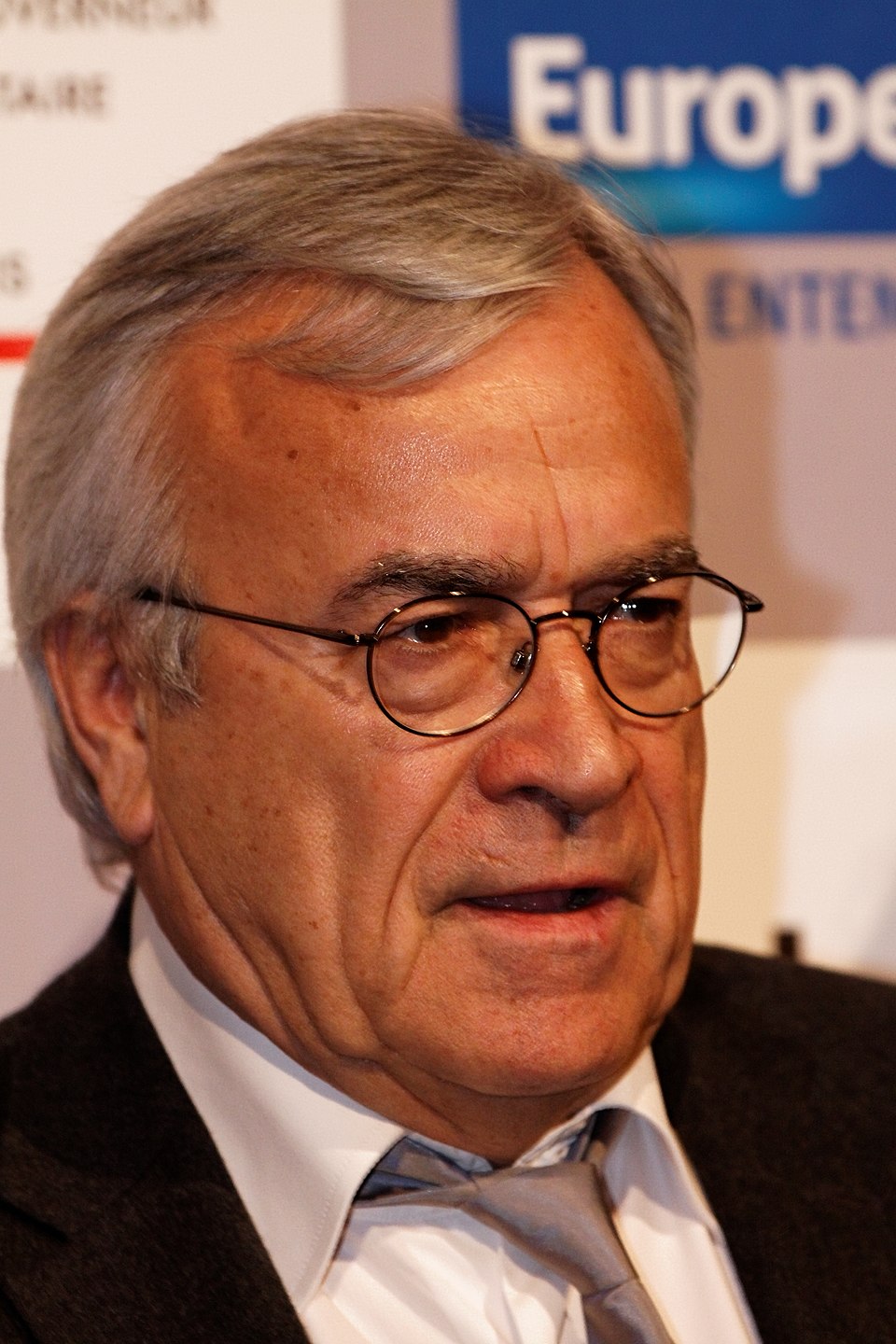
Commentator Jean-Claude Dassier Sidelined by Major Broadcasters: A Deep Dive into Media Accountability
In the dynamic and often contentious landscape of broadcast media, the decisions made by major networks regarding their on-air talent frequently send ripples across the industry. Such is the case with the recent development surrounding Jean-Claude Dassier, a well-known French commentator and media personality. Reports indicate that prominent broadcasters CNews and Europe 1 have taken the significant step to jean-claude dassier écarté – effectively sidelining him from his roles "until further notice." This move highlights the intricate balance media organizations must strike between diverse viewpoints, editorial guidelines, and public perception.
The Broadcasters' Decision: What We Know About Jean-Claude Dassier Écarté
The core information emerging from sources like OnePlanete confirms that both CNews, a leading French news channel, and Europe 1, a major national radio station, have jointly decided to remove Jean-Claude Dassier from his position as a 'chroniqueur' (commentator or columnist). The phrase "jusqu'à nouvel ordre" (until further notice) underscores the indefinite nature of this suspension, suggesting a serious review of his future with the networks. This decision is not merely a temporary absence but indicates a more profound re-evaluation by the broadcasters regarding his continued presence on their platforms.
The term jean-claude dassier écarté, meaning Jean-Claude Dassier sidelined or removed, encapsulates a critical moment for a figure who has long been a fixture in French media. Such an action by two influential outlets simultaneously implies either a coordinated response to a specific event or a shared concern that transcends individual programming schedules. For audiences and industry observers alike, this immediately raises questions about the underlying reasons, given Dassier's extensive background and public profile. The implications of this move are significant, both for Dassier's career and for the broader discourse on media ethics and freedom of expression in France. Similar instances of high-profile media figures being removed by major outlets are often subject to intense scrutiny, reflecting the public's interest in transparency and accountability from news organizations. For a more detailed look into these specific actions, readers might find value in exploring Jean-Claude Dassier Removed by CNews and Europe 1 and CNews and Europe 1 Suspend Jean-Claude Dassier Indefinitely.
Who is Jean-Claude Dassier? A Look at His Storied Career
To fully grasp the significance of Jean-Claude Dassier's sidelining, it's essential to understand his prominent standing within French media and beyond. Born in 1941, Dassier boasts a career spanning several decades, marked by diverse and influential roles. He began his professional life as a journalist, quickly ascending through the ranks. His tenure includes significant positions such as:
- Director of Information at TF1: A major French television channel, where he oversaw news operations and wielded considerable influence over the national media agenda.
- President of Olympique de Marseille: Beyond journalism, Dassier famously took the helm of one of France's most iconic football clubs, demonstrating his leadership capabilities in a high-pressure, public-facing role.
- Commentator and Columnist: Post-TF1 and OM, Dassier transitioned into a role as a regular commentator and analyst for various media outlets, including CNews and Europe 1. In this capacity, he became known for his often strong opinions and direct style, participating in debates on current affairs, politics, and sports.
His career trajectory highlights a figure deeply embedded in the French public sphere, with a reputation for being an opinionated and sometimes controversial voice. His insights, drawn from years at the highest levels of journalism and management, have made him a recognizable and often provocative figure on air. Therefore, the decision to have jean-claude dassier écarté is not just about a temporary break; it's about a significant personality being removed from platforms where he has consistently held sway.
Unpacking the Reasons Behind Media Suspensions
While the exact reasons behind the decision to have jean-claude dassier écarté have not been publicly detailed by CNews or Europe 1, such actions in the media world typically stem from a range of factors. These considerations are crucial for broadcasters aiming to maintain their credibility, adhere to ethical standards, and manage their public image. Common reasons for suspending or sidelining commentators include:
- Violation of Editorial Guidelines: Every news organization has a set of editorial standards regarding accuracy, impartiality, language, and the appropriateness of commentary. A commentator who deviates from these guidelines, especially with sensitive topics, can put the broadcaster in a difficult position.
- Controversial or Offensive Statements: In an age of instant public feedback and social media scrutiny, remarks deemed offensive, discriminatory, or excessively provocative can quickly escalate into a public relations crisis. Broadcasters often act swiftly to distance themselves from such statements.
- Misinformation or Spreading Unverified Claims: With the ongoing battle against 'fake news,' media outlets are under immense pressure to ensure the information presented on their platforms is accurate. Commentators who repeatedly spread misinformation, even if unintentional, pose a risk to the outlet's journalistic integrity.
- Ethical Breaches or Conflicts of Interest: Allegations of unethical conduct, undeclared conflicts of interest, or behavior that undermines the trust placed in media professionals can lead to immediate suspensions.
- Legal Ramifications: Statements that could lead to defamation lawsuits, incitement to hatred, or other legal challenges can prompt broadcasters to take protective action.
- Public and Advertiser Pressure: Significant public outcry, often amplified by social media campaigns, or pressure from advertisers can force broadcasters to reconsider their talent lineup.
- Internal Policy Changes: Sometimes, broadcasters revise their internal policies regarding the conduct of their staff and commentators, leading to the sidelining of individuals who no longer align with the updated corporate vision or values.
It's important to note that media organizations often prefer to handle such matters discreetly, avoiding public disclosure of specific reasons to protect the privacy of the individual involved and to manage potential legal or reputational fallout. This discreet approach is often the default when a figure like jean-claude dassier écarté is suspended "until further notice."
The Wider Implications for Broadcasters and Commentators
The decision to sideline Jean-Claude Dassier carries significant implications for various stakeholders within the media ecosystem. It serves as a stark reminder of the responsibilities that come with a public platform and the constant evolution of media accountability.
For Broadcasters (CNews, Europe 1):
- Maintaining Editorial Integrity: By acting, broadcasters signal their commitment to their editorial line and a readiness to enforce their standards, even with high-profile personalities. This helps reinforce public trust and differentiate their brand.
- Navigating Public Scrutiny: In an era of heightened social awareness, media outlets are under constant pressure to reflect societal values and avoid amplifying harmful narratives. Decisions like this demonstrate an awareness of their powerful role in shaping public discourse.
- Balancing Freedom of Expression with Responsibility: While advocating for freedom of speech, broadcasters must also ensure that this freedom is exercised responsibly, without crossing into areas of hate speech, incitement, or misinformation. This is a delicate tightrope walk for any news organization.
- Setting Precedent: The handling of such situations sets a precedent for how other commentators and future controversies will be managed, potentially influencing internal policies and expectations for all on-air talent.
For Commentators and Media Professionals:
- Enhanced Scrutiny: The incident serves as a potent reminder that all public figures, especially those in media, are subject to intense scrutiny. Every word, every opinion, can be amplified and analyzed.
- The Fragility of Media Careers: Even established voices can find their positions precarious if their contributions are deemed to conflict with the broadcaster's values or public expectations. This underscores the need for constant vigilance and self-awareness.
- Understanding the Fine Print: It highlights the importance for commentators to fully understand and adhere to their employers' editorial guidelines, codes of conduct, and internal policies. Ignorance is rarely an acceptable defense in professional media.
Practical Tips for Media Professionals:
In light of events such as jean-claude dassier écarté, media professionals, especially those offering commentary and opinion, might consider these actionable tips:
- Know Your Platform's Guidelines: Always be intimately familiar with the editorial policy, ethical code, and social media guidelines of the media outlet you work for.
- Think Before You Speak (or Post): Understand the potential impact of your words, both on-air and off-air (including personal social media). What might seem innocuous to you could be interpreted differently by a broader audience or your employer.
- Verify Information: Even when offering opinion, ensure that any factual assertions you make are accurate and verifiable.
- Practice Empathy and Respect: While robust debate is healthy, maintaining a respectful tone and avoiding personal attacks or derogatory language is crucial for professional credibility.
- Maintain Professional Distance: Be wary of potential conflicts of interest and ensure transparency if any arise. Your integrity is your most valuable asset.
Conclusion
The decision by CNews and Europe 1 to have jean-claude dassier écarté from his commentary roles marks a significant moment in the ongoing discourse about media responsibility and accountability. While the specific reasons remain undisclosed, this action underscores the increasing pressure on broadcasters to align their content and personnel with evolving public expectations and rigorous ethical standards. For veteran commentators like Jean-Claude Dassier, it highlights the delicate balance between expressing strong opinions and adhering to the guidelines of the platforms that host them. Ultimately, this event serves as a potent reminder that in the fast-paced world of news and commentary, even the most established voices are subject to constant evaluation, reflecting the industry's continuous effort to uphold trust and integrity.