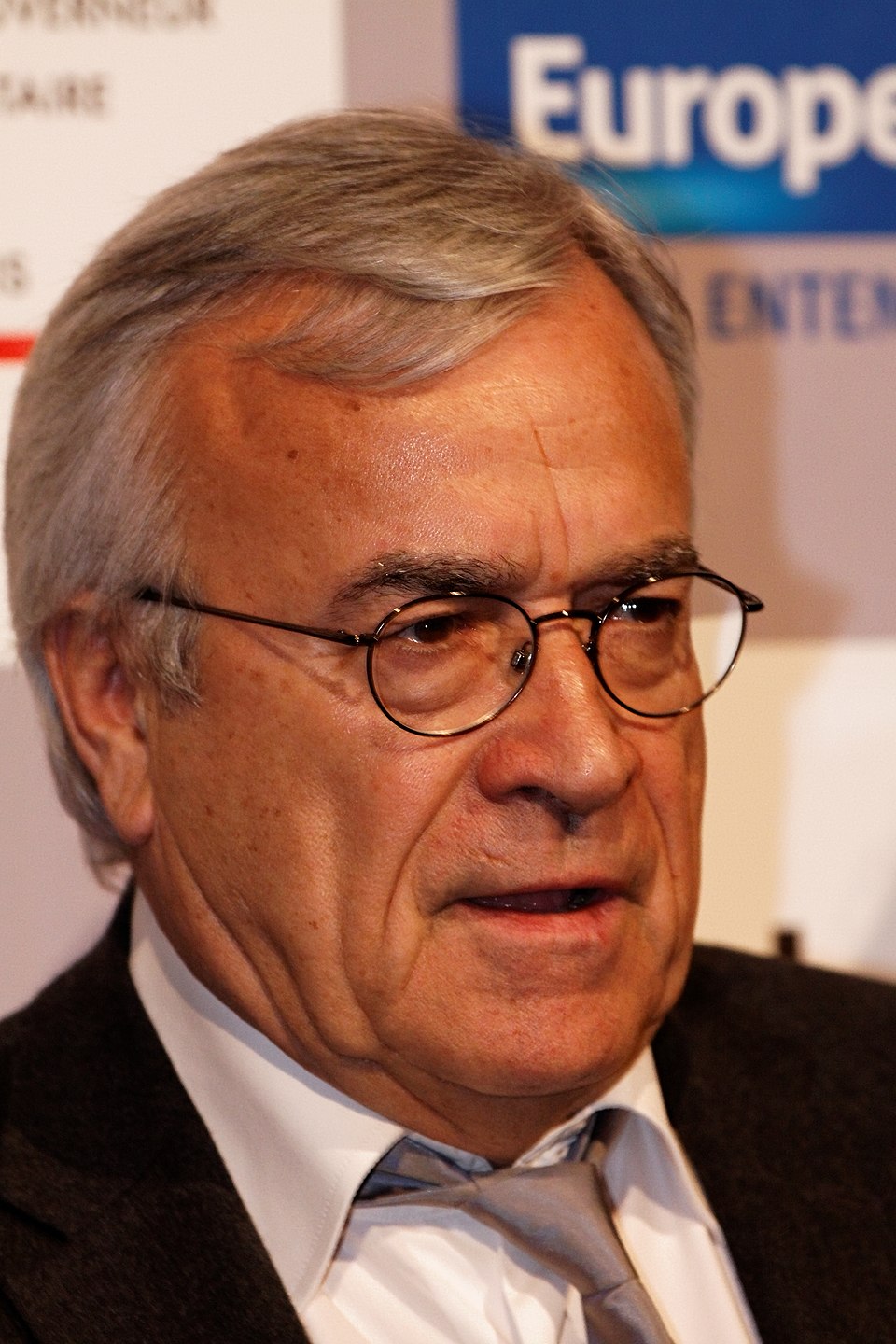
A Veteran Voice Sidelined: Jean-Claude Dassier Écarté by CNews and Europe 1
In a significant development within the French media landscape, prominent chronicler and commentator,
Jean-Claude Dassier, has been écarté (sidelined or removed) "jusqu'à nouvel ordre" (until further notice) by two of France's leading broadcasters, CNews and Europe 1. This announcement has sent ripples through the industry, sparking conversations about editorial responsibility, the role of media personalities, and the intricate balance between freedom of expression and the expectations placed upon public figures. The decision to suspend Dassier, a seasoned figure known for his candid opinions, underscores the increasing scrutiny faced by commentators in today's fast-paced and often polarized media environment.
Jean-Claude Dassier is not just any commentator; he possesses a rich and varied career spanning decades. A former journalist, he has held significant positions, including director of information for TF1 and, notably, president of Olympique Marseille, one of France's most iconic football clubs. His diverse background has afforded him a unique perspective, making him a regular and often provocative voice across various media platforms. His tenure at both CNews, a prominent news channel known for its debate and opinion programs, and Europe 1, a major national radio station, positioned him at the heart of French public discourse. For more on this developing story, you can read:
Commentator Jean-Claude Dassier Sidelined by Major Broadcasters.
Deconstructing "Écarté": Understanding Media Suspensions and Their Causes
The term "écarté," while seemingly straightforward, carries nuanced implications in the media world. It's more than just a dismissal; it suggests a temporary, indefinite removal, a distancing by the employer. This particular phrasing, "jusqu'à nouvel ordre," indicates a pause rather than a definitive end, leaving room for a potential return, or a permanent separation should circumstances dictate. Such decisions are rarely taken lightly by major broadcasters like CNews and Europe 1. They often stem from a complex interplay of factors that go beyond a single incident.
While the specific reasons for
Jean-Claude Dassier being écarté have not been publicly detailed by the broadcasters, common triggers for such actions in the media industry include:
*
Controversial Statements: Commentators are paid for their opinions, but there's a fine line between provocative analysis and crossing into territory deemed inappropriate, offensive, or contrary to a broadcaster's editorial line or values.
*
Breach of Editorial Guidelines: Every media outlet has guidelines regarding conduct, language, and content. Violating these, whether explicitly or implicitly, can lead to disciplinary action.
*
Public or Political Backlash: In an age of instant communication and social media, public outrage or significant political pressure can force broadcasters to re-evaluate a commentator's position to protect their brand and reputation.
*
Internal Policy Disagreements: Sometimes, a personality's views or actions may diverge significantly from the internal policies or direction of the media group, leading to a need for separation.
*
Legal or Ethical Concerns: Statements that could lead to defamation lawsuits, incite hatred, or are deemed unethical can put a broadcaster at significant legal and reputational risk.
The decision to sideline a prominent voice like Dassier underscores the significant responsibility broadcasters bear. They must navigate the delicate balance of promoting diverse opinions while upholding journalistic standards, protecting their brand image, and adhering to regulatory frameworks. This balance becomes even more critical in highly sensitive political or social climates.
The French Media Landscape: CNews and Europe 1 in Focus
The decision by CNews and Europe 1 to simultaneously remove a shared commentator is particularly noteworthy given their prominence in the French media ecosystem. Both outlets play crucial roles in shaping public opinion and providing news and analysis to millions.
*
CNews: A 24-hour news channel, CNews has carved out a niche for itself as a platform for robust debate and strong opinions. Often described as leaning towards conservative viewpoints, it frequently features commentators who engage in passionate discussions on political, social, and cultural issues. Its editorial line has, at times, drawn criticism but has also garnered a loyal audience seeking alternative perspectives to mainstream media. The channel's identity is heavily reliant on its on-air personalities and the lively discussions they generate.
*
Europe 1: As one of France's historical national radio stations, Europe 1 boasts a rich heritage in news, talk shows, and entertainment. While its format is broader than CNews, its news and opinion segments are highly influential. Maintaining a broad appeal while engaging with contemporary issues is a constant challenge for such a venerable institution.
The joint decision to suspend
Jean-Claude Dassier highlights a concerted effort from both entities, suggesting that the underlying reasons for his removal were substantial enough to warrant a unified response. This shared action could also indicate a broader industry trend towards heightened accountability for media personalities, irrespective of their popularity or past achievements. The move undoubtedly sends a clear message across the French media landscape about the boundaries of commentary and the consequences of perceived transgressions.
The Repercussions: What Jean-Claude Dassier's Suspension Means
The removal of Jean-Claude Dassier by CNews and Europe 1 carries multi-faceted repercussions, impacting not only Dassier himself but also the broader media environment and public discourse in France.
For Dassier, the immediate effect is a suspension from two major platforms, which will undoubtedly impact his visibility and income. Beyond the immediate professional consequences, such a public sidelining can also affect his long-term reputation and future opportunities in media. For a personality accustomed to expressing strong opinions, a period of forced silence can be particularly challenging.
For CNews and Europe 1, the decision is a declaration of their editorial boundaries. It signals to their audiences, advertisers, and other commentators that certain lines cannot be crossed. This move could reinforce their perceived commitment to responsible broadcasting, even if it means sacrificing a popular, albeit controversial, voice. Conversely, it might also alienate a segment of their audience who appreciated Dassier's candor, potentially sparking debates about censorship versus editorial control. The incident also invites scrutiny into the internal processes and decision-making structures within these media groups. You can read more about the duration of this suspension here:
CNews and Europe 1 Suspend Jean-Claude Dassier Indefinitely.
Navigating the Ethical Minefield: Lessons for Media Professionals and Broadcasters
The case of
Jean-Claude Dassier écarté offers valuable lessons for all involved in the media ecosystem:
*
For Commentators and Media Personalities:
*
Understand Your Platform: Recognize that while personal opinions are valued, the platform you speak from carries the weight of the broadcaster's brand and reputation.
*
Know Your Audience and Context: Be mindful of how your words might be perceived by a diverse audience and the potential for misinterpretation in the current media climate.
*
Adhere to Editorial Lines: While freedom of expression is crucial, professional engagement within a media outlet often comes with adherence to its specific editorial policies and ethical guidelines.
*
The Power of Social Media: Be aware that comments made on-air can be amplified, dissected, and scrutinized endlessly on social media, potentially leading to widespread backlash.
*
For Broadcasters and Media Outlets:
*
Clear Guidelines: Establish and clearly communicate robust editorial and ethical guidelines for all on-air talent.
*
Consistent Application: Ensure that these guidelines are applied consistently and fairly across all personalities to maintain credibility.
*
Crisis Management: Have a clear protocol for addressing controversial statements or actions by commentators, including processes for investigation and decision-making.
*
Transparency (Where Appropriate): While not always possible to detail specific reasons, acknowledging the situation and reiterating commitment to journalistic standards can help manage public perception.
*
For the Public and Viewers:
*
Media Literacy: Cultivate critical thinking skills to differentiate between fact, opinion, and potentially inflammatory rhetoric.
*
Understand Editorial Stances: Be aware that different media outlets have different editorial lines and approaches to commentary.
*
Engage Responsibly: When reacting to media content, consider the broader context and engage in constructive dialogue rather than fueling outrage.
Conclusion
The decision to sideline
Jean-Claude Dassier from CNews and Europe 1 is more than just a personnel change; it's a potent reminder of the evolving dynamics within the media industry. It highlights the growing pressure on broadcasters to balance the appeal of strong, often controversial, voices with their responsibility to uphold ethical standards and maintain public trust. As the digital age continues to amplify every word spoken on air, the scrutiny on commentators and the decisions of the networks that host them will only intensify. This event serves as a significant touchstone in the ongoing conversation about media accountability, the boundaries of free speech, and the future role of opinion in news dissemination in France and beyond.